

Introduction to No-Oven Turkish Bread
Imagine the comforting aroma of freshly baked bread wafting through your home, yet you don’t even need to turn on the oven. That’s the magic of no-oven Turkish bread. This simple, stovetop bread is a culinary adventure that brings rich flavors and delightful textures right to your kitchen without the hassle of traditional baking. Whether you’re looking to impress your friends or simply enjoy a homemade treat, this bread will surely become your go-to recipe.
Homemade bread has an enchanting ability to elevate any meal. A loaf of warm bread is a showstopper at the dinner table, turning a simple gathering into a memorable occasion. Not only does making your own bread allow you to control the ingredients, but it also makes your kitchen feel like a warm, inviting space. The satisfaction of creating something from scratch is unparalleled—especially when your creation rises to perfection in a matter of minutes!
Why Homemade Bread is a Game-Changer
The benefits of making no-oven Turkish bread go far beyond the delicious outcome. Here are a few reasons why embracing this straightforward recipe is a game changer:
- Freshness Guaranteed: There’s nothing quite like breaking open a loaf of bread you’ve just made. It’s warm, soft, and packed with flavor.
- Customizable: You can incorporate herbs, spices, and toppings that cater to your personal taste. Want a hint of garlic? Go for it. Prefer something more traditional? Keep it simple with just salt.
- Quick and Simple: Unlike traditional bread recipes that require hours of kneading and rising, making this no-oven version takes a fraction of the time. Perfect for busy weeknights or spontaneous get-togethers.
As you embark on your journey to create no-oven Turkish bread, remember that every loaf is a personal story, an expression of yourself. Gather your ingredients, roll up your sleeves, and let your culinary creativity shine. Before you know it, you’ll be serving up a golden-brown loaf, basking in the joy of having made it yourself!
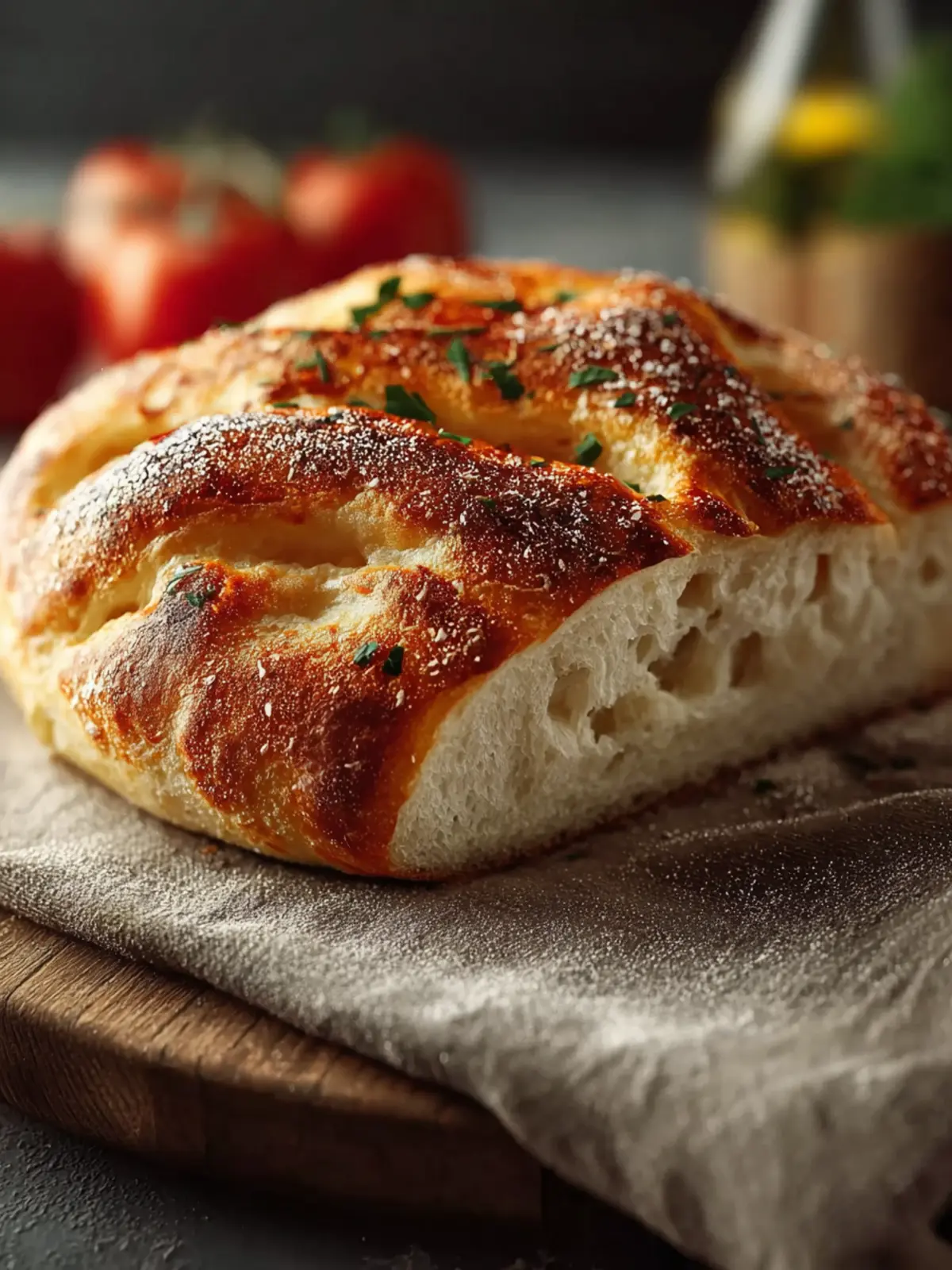
Key Ingredients for No-Oven Turkish Bread
No-oven Turkish bread is a delightful way to enjoy a warm, freshly baked loaf without the need for an oven. In just a few simple steps, you can create this wonderfully fluffy bread that pairs beautifully with dips or is perfect for sandwiches. Let’s explore the essential ingredients that make this recipe shine.
-
All-Purpose Flour: Using high-quality all-purpose flour is crucial for achieving that light and airy texture. It helps the bread rise beautifully when cooked on the stovetop.
-
Yogurt: This ingredient adds moisture and flavor. The tanginess of yogurt elevates the bread, making it incredibly soft and easy to work with. If you’re out of yogurt, do try substituting it with sour cream for a slightly different taste.
-
Baking Powder: The leavening agent here works wonders! It gives your bread that delightful fluffiness, ensuring it’s light rather than dense.
-
Salt: A small amount of salt enhances the flavors and brings out the best in the other ingredients.
-
Olive Oil: This not only adds flavor but also contributes to the bread’s lovely texture, keeping it supple and moist.
With these primary ingredients, you’re well on your way to crafting a beautiful loaf of no-oven Turkish bread!
Why You’ll Love This No-Oven Turkish Bread
Imagine the warm aroma of no-oven Turkish bread wafting through your kitchen as you prepare an easy, no-fuss meal. This delightful bread is perfect for those busy weeknight dinners or when you’re in the mood to impress guests without breaking a sweat.
Simple and Quick Preparation
- No baking skills required: You won’t need any special equipment or experience to make this bread. A simple skillet is all you need!
- Time-saving: With a cooking time of just a few minutes per piece, you can whip up a fresh batch in no time—all while enjoying the process.
Deliciously Fluffy Texture
- Perfect for dipping: The no-oven Turkish bread offers a fluffy, chewy texture that complements dips, spreads, or your favorite soups, making every meal feel like a special feast.
- Adaptable pairings: Whether you spread it with hummus, serve it alongside a fresh salad, or enjoy it with a rich stew, this bread is incredibly versatile.
Bonus Points for Freshness
- Enjoy it hot: There’s nothing quite like fresh bread straight from the pan, still warm and soft to the touch.
- Customizable flavors: Feel free to play with flavors by adding herbs, spices, or even cheese to your dough for a personalized touch.
In the end, whether you’re savvy in the kitchen or just starting out, you’re sure to fall in love with the simplicity and flavors of no-oven Turkish bread.
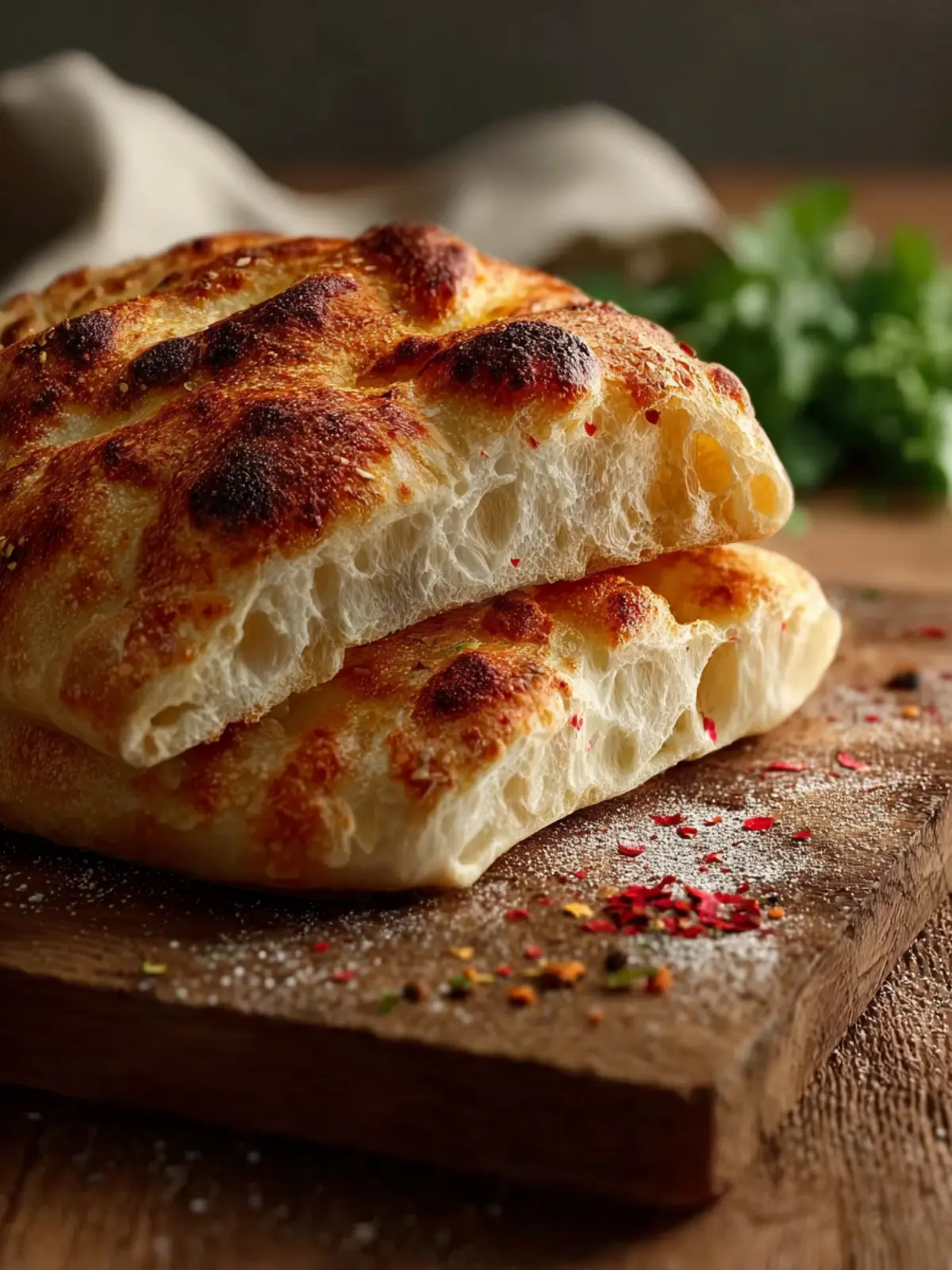
Variations on No-Oven Turkish Bread
Exploring no-oven Turkish bread opens up a world of delicious possibilities that can suit any palate. While the classic version is delightful on its own, experimenting with different flavors and ingredients can elevate your bread-making experience to new heights.
Herbed Variations
Consider adding fresh herbs to your dough for an aromatic twist. Chopped dill, parsley, or rosemary blend beautifully with the bread, creating a fragrant experience that enhances meals or makes for a delightful snack.
Cheesy Delight
Who doesn’t love cheese? Incorporating crumbled feta or shredded mozzarella into your dough adds a creamy richness that pairs wonderfully with soups or salads. You can also sprinkle some cheese on top just before you cook for an indulgent treat.
Spice it Up
If you’re looking to kick things up a notch, try adding spices such as cumin or sumac. These spices not only provide a warm flavor but also impart beautiful color to your no-oven Turkish bread.
Sweet Option
Feeling adventurous? Create a sweet version by mixing in a touch of sugar and cinnamon into the dough, and then drizzle some honey over the finished product. It makes for a perfect side to breakfast or a delightful dessert.
Experimenting with these variations can turn a simple no-oven Turkish bread into a versatile staple that fits any occasion. Let your imagination guide your taste buds!
Cooking Tips and Notes for No-Oven Turkish Bread
Creating no-oven Turkish bread at home is a delightful journey that brings the warm, comforting aromas of traditional baking into your kitchen without the need for an oven. The secret to perfecting this recipe lies in a few key techniques and small adjustments that can elevate your bread-making experience.
Choose the Right Pan
Using the right cooking vessel is crucial. A heavy-bottomed skillet or a cast-iron pan works wonders for even heat distribution, ensuring your bread cooks uniformly. If you don’t have a lid for your pan, a large plate can serve as a great alternative.
Dough Consistency
When mixing your dough, aim for a soft, pliable texture. Too dry, and the bread will become tough; too wet, and it won’t hold its shape. Adjust the flour in small increments, and don’t hesitate to incorporate a bit more water if needed.
Cooking Time Matters
Keep a keen eye on your bread while it’s cooking. The timing can vary based on your stove’s heat. Start with a medium flame, then adjust as necessary. If it’s browning too quickly, reduce the heat to ensure a thoroughly cooked interior.
Flavor Enhancers
Feel free to experiment with flavor. Sometimes, I add herbs such as thyme or garlic into the dough for an aromatic twist. The beauty of no-oven Turkish bread is its adaptability—let your creativity shine!
With these tips in mind, your homemade bread will be a hit at the table, bringing smiles and satisfaction to everyone who enjoys it. Happy baking!
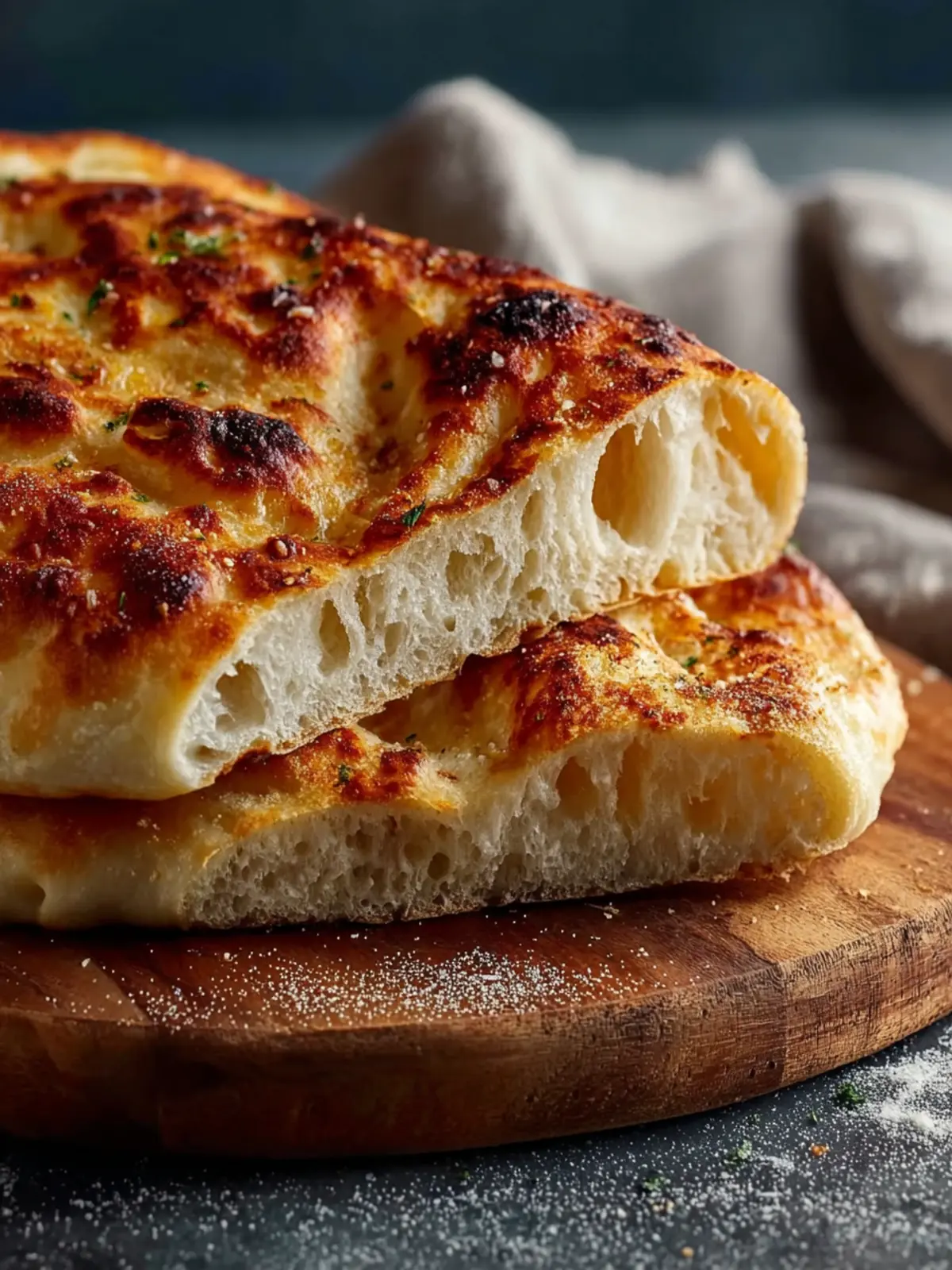
Serving Suggestions for No-Oven Turkish Bread
Crafting mouthwatering no-oven Turkish bread opens up a world of delicious pairings that can elevate your meal. Imagine slicing through warm, fluffy bread that’s perfect for scooping up your favorite dishes or simply enjoying on its own.
Pair with Dips and Spreads
- Hummus: This chickpea delight is creamy and rich; it complements the bread’s texture beautifully.
- Muhammara: A spicy walnut and red pepper dip that brings an exciting flavor profile to your plate.
- Labneh: This strained yogurt spread adds a tangy creaminess that balances the bread’s warmth.
Serve with Main Dishes
- Grilled Meat: Whether it’s kebabs or skewers, the no-oven Turkish bread serves as an excellent accompaniment, perfect for wrapping around seasoned meats.
- Vegetable Stews: Dipping into a hearty vegetable stew allows you to soak up those rich flavors, making every bite memorable.
Snack Time Treat
This bread is also perfect as a stand-alone snack. Add a drizzle of olive oil and a sprinkle of za’atar for a simple yet flavorful treat.
With these serving suggestions, your no-oven Turkish bread will shine as a versatile and delectable addition to your meals.
Time Breakdown for Making No-Oven Turkish Bread
Creating no-oven Turkish bread offers a delightful way to enjoy homemade bread without the need for elaborate baking setups. Each phase is manageable, making this recipe perfect for busy young professionals looking to whip up something scrumptious and satisfying.
Preparation time
Inserting this into your routine takes about 15 minutes. Gather your ingredients and mix them together for a seamless start.
Cooking time
Once your dough is ready, you’ll spend around 20 minutes cooking it on the stove. Keep an eye on it to ensure it reaches the perfect golden brown.
Total time
In just 35 minutes, your kitchen will be filled with the inviting aroma of freshly made no-oven Turkish bread. Enjoy this quick and rewarding culinary experience with friends or family!
Nutritional Facts for No-Oven Turkish Bread
When you take a bite of no-oven Turkish bread, you not only enjoy its incredible texture and flavor, but you also appreciate its nutritional benefits. This versatile bread can fit beautifully into various diets while providing essential nutrients.
Calories
A single serving of no-oven Turkish bread contains approximately 120 calories. It’s a light option that allows you to indulge without the guilt, making it perfect for meals at home or packed lunches.
Protein
Each serving provides around 3 grams of protein. While it isn’t a protein powerhouse, pairing this bread with a protein-rich spread or filling can make for a satisfying meal that keeps you energized throughout the day.
Sodium
With about 200 milligrams of sodium per serving, the no-oven Turkish bread fits well within daily sodium guidelines. This means you can enjoy your bread without worrying too much about your sodium intake.
Embrace the joy of making this bread at home, and know that each bite nourishes both your body and your taste buds!
FAQs about No-Oven Turkish Bread
Creating no-oven Turkish bread at home opens up a world of delightful possibilities, but you might still have a few questions. Here’s a friendly guide to help you navigate this culinary adventure.
Can I use whole wheat flour instead?
Absolutely! Substituting whole wheat flour for the all-purpose variety can add a lovely nutty flavor and boost the nutritional profile of your no-oven Turkish bread. Just remember, whole wheat flour tends to absorb more liquid, so you might need to adjust the amount of water slightly to achieve the right dough consistency.
How to store leftover Turkish bread?
If you’re lucky enough to have leftovers, storing your homemade no-oven Turkish bread is simple. Allow it to cool completely, then wrap it tightly in plastic wrap or aluminum foil. For longer storage, consider placing it in a zip-top bag and freezing it. When you’re ready to enjoy it again, just thaw it at room temperature or warm it in a skillet for a few minutes to restore its delightful softness.
What are some dips or spreads to enjoy with this bread?
The beauty of no-oven Turkish bread lies in its versatility. Here’s a quick list of tasty options that pair perfectly:
- Hummus: Classic and creamy—perfect for dipping.
- Tzatziki: A refreshing yogurt-based dip with cucumber and garlic.
- Baba Ganoush: Smoky eggplant spread that adds depth to your bread experience.
- Olive oil and balsamic vinegar: For a simple yet delicious dipping sauce.
Feel free to get creative! The warmth and texture of the bread make it an ideal companion for a variety of flavors, whether savory or sweet. Enjoy your culinary journey!
Conclusion on No-Oven Turkish Bread
Embracing a no-oven Turkish bread recipe unlocks a world of flavors without the need for extensive kitchen equipment. This simple yet delightful bread is perfect for gatherings or a cozy night in, allowing you to share a taste of Turkey right from your stovetop. Picture yourself seated with loved ones, breaking off pieces of warm, fluffy bread, paired with olive oil or your favorite dips—it’s an experience that elevates any meal.
Incorporate this recipe into your culinary repertoire, and you’ll soon discover how easy it is to enjoy homemade bread without the fuss of traditional baking methods. Happy cooking!
Print
Turkish Bread
- Total Time: 1 hour 25 minutes
- Yield: 4 pieces 1x
- Diet: Vegetarian
Description
A simple recipe for soft and fluffy Turkish bread.
Ingredients
- 2 cups all-purpose flour
- 1 teaspoon instant yeast
- 1 teaspoon sugar
- 1/2 teaspoon salt
- 3/4 cup warm milk
- 1 tablespoon olive oil (plus more for cooking)
Instructions
- Mix the dough: In a large mixing bowl, combine the flour, instant yeast, sugar, and salt. Stir to distribute the ingredients evenly. Slowly pour in the warm milk and olive oil, mixing with a wooden spoon or your hands until a shaggy dough forms.
- Knead until smooth: Transfer the dough to a lightly floured surface and knead for about 8–10 minutes, until it becomes soft, smooth, and elastic. If the dough feels too sticky, sprinkle in a bit more flour.
- Let it rise: Place the dough back into a greased bowl, cover it with a clean kitchen towel, and let it rise in a warm place for about 1 hour, or until doubled in size. The rising process is where the magic happens—this is when the yeast creates air pockets, giving the bread its signature fluffiness.
- Divide and rest: Punch down the dough gently and divide it into 4 equal pieces. Roll each into a smooth ball and let them rest for another 10–15 minutes, covered with a towel. This rest helps relax the gluten for easier rolling.
- Shape the breads: Using a rolling pin, roll each ball into a round about 1/4-inch thick. Don’t worry about perfect circles—rustic is beautiful.
- Cook on the stove: Heat a non-stick skillet or cast iron pan over medium heat. Brush with a little olive oil. Place one round of dough in the hot pan. Cook for 2–3 minutes until bubbles form on the surface and the bottom is golden brown. Flip and cook the other side for another 1–2 minutes. Repeat with remaining dough.
- Keep warm and enjoy: Stack the cooked Turkish breads in a clean kitchen towel to keep them warm and soft. Serve immediately or store for later use.
Notes
- This bread is best served warm.
- It can be stored in an airtight container for up to 2 days.
- You can freeze the dough after the first rise for later use.
- Prep Time: 15 minutes
- Cook Time: 10 minutes
- Category: Bread
- Method: Stovetop
- Cuisine: Turkish
Nutrition
- Serving Size: 1 piece
- Calories: 150
- Sugar: 1g
- Sodium: 200mg
- Fat: 5g
- Saturated Fat: 1g
- Unsaturated Fat: 4g
- Trans Fat: 0g
- Carbohydrates: 23g
- Fiber: 1g
- Protein: 4g
- Cholesterol: 0mg
Keywords: Turkish bread, flatbread, bread recipe, easy bread