

Introduction to Healthy Beef Tenderloin
Imagine a beautifully seared beef tenderloin—its tender, juicy interior just waiting to be paired with vibrant vegetables and the right spices. This dish is not only a protein-packed powerhouse but also a gourmet option that keeps your health in focus. Healthy beef tenderloin offers a delightful blend of flavors and textures, making it a showstopper for any dinner soirée or a cozy weeknight meal.
What makes beef tenderloin a go-to for healthy dinners? Well, for starters, it’s one of the leanest cuts of beef available. With minimal fat content, beef tenderloin allows you to enjoy that rich meaty flavor without compromising your dietary goals. It’s an excellent source of high-quality protein, iron, and B vitamins, which play essential roles in supporting muscle growth, boosting metabolism, and fortifying your immune system. Did you know that a 3-ounce serving provides about 25 grams of protein? That’s a fantastic way to fuel your body whether you’re gearing up for the gym or tackling a busy workday.
Beyond the health benefits, dressing up a beef tenderloin can be a creative outlet. From marinades infused with garlic and herbs to simple seasoning with salt and pepper, there’s virtually no end to the flavors you can explore. The best part? With a quick roast in the oven, you can achieve a restaurant-quality dish right from your kitchen.
Cooking a healthy beef tenderloin introduces you to a world of possibilities. Pair it with roasted vegetables for an artful presentation, or toss together a light salad to round out the meal. Whether you opt for a simple garlic herb crust or a zesty chimichurri sauce, your culinary creativity is your only limit. Prepare to impress with a dish that not only tastes fantastic but also aligns seamlessly with your healthy eating aspirations. So, let’s dive into this delicious recipe that will have you craving tender beef without the guilt!
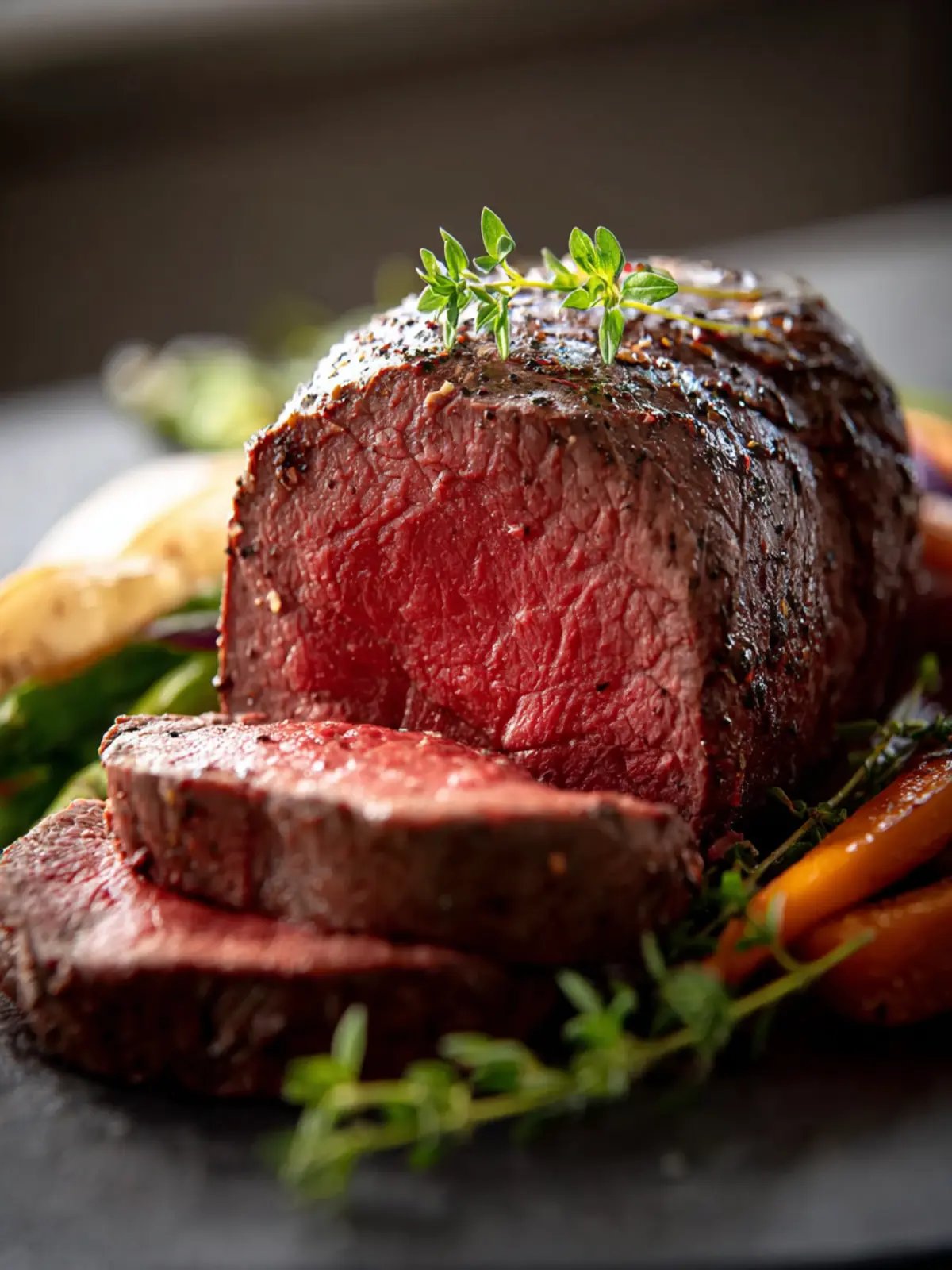
Key Ingredients for Healthy Beef Tenderloin
Beef Tenderloin: To create a truly healthy beef tenderloin, selecting a lean cut is essential. Look for grass-fed options, which not only provide rich flavor but also boast higher omega-3 fatty acids than grain-fed beef. This nutritious choice doesn’t compromise on taste, making your dish both delicious and guilt-free.
Marinade: A simple homemade marinade elevates the dish. Combining olive oil, fresh herbs like rosemary and thyme, and a splash of balsamic vinegar adds incredible depth of flavor while keeping the meat tender and juicy without unnecessary calories.
Garlic: Fresh garlic is your friend here! It not only enhances the flavor but carries numerous health benefits, such as boosting your immune system and acting as a natural anti-inflammatory.
Vegetables: Roasting colorful vegetables like bell peppers, zucchini, and asparagus alongside your tenderloin adds vibrant flavors and vital nutrients to your meal, ensuring you make every bite count.
Seasonings: Simple seasonings like sea salt and freshly cracked black pepper bring out the best in your healthy beef tenderloin, allowing the quality of the meat and marinade to shine.
By carefully selecting these ingredients, you ensure a dish that’s not only satisfying but also nourishing.
Why You’ll Love This Recipe
A Flavorful Twist on Healthy Eating
Imagine hosting a dinner party where the star of the show is a healthy beef tenderloin—a dish that not only impresses with its elegance but also supports your nutrition goals. This recipe transforms the classic cut of beef into a health-conscious masterpiece, allowing you to savor every tender bite without guilt. With fewer calories and less fat than other steak options, you’re bound to feel great about serving it to friends and family.
Elevate Your Cooking Game
Cooking a healthy beef tenderloin isn’t just about the dish itself; it’s about the experience. The fragrant herbs and spices infuse the meat with layers of flavor, awakening your taste buds and filling your home with mouthwatering aromas. Plus, the cooking process is simple enough for a weeknight meal but sophisticated enough for special occasions, elevating your culinary skills without overwhelming you.
Perfect for Any Occasion
Whether it’s a celebratory gathering or a comforting weeknight dinner, this versatile recipe makes any meal feel special. Pair it with roasted vegetables or a vibrant salad, and watch as everyone around the table sighs in delight. Who knew healthy eating could taste so good? By choosing a healthy beef tenderloin, you’re making a wise choice for your health without sacrificing flavor or style.
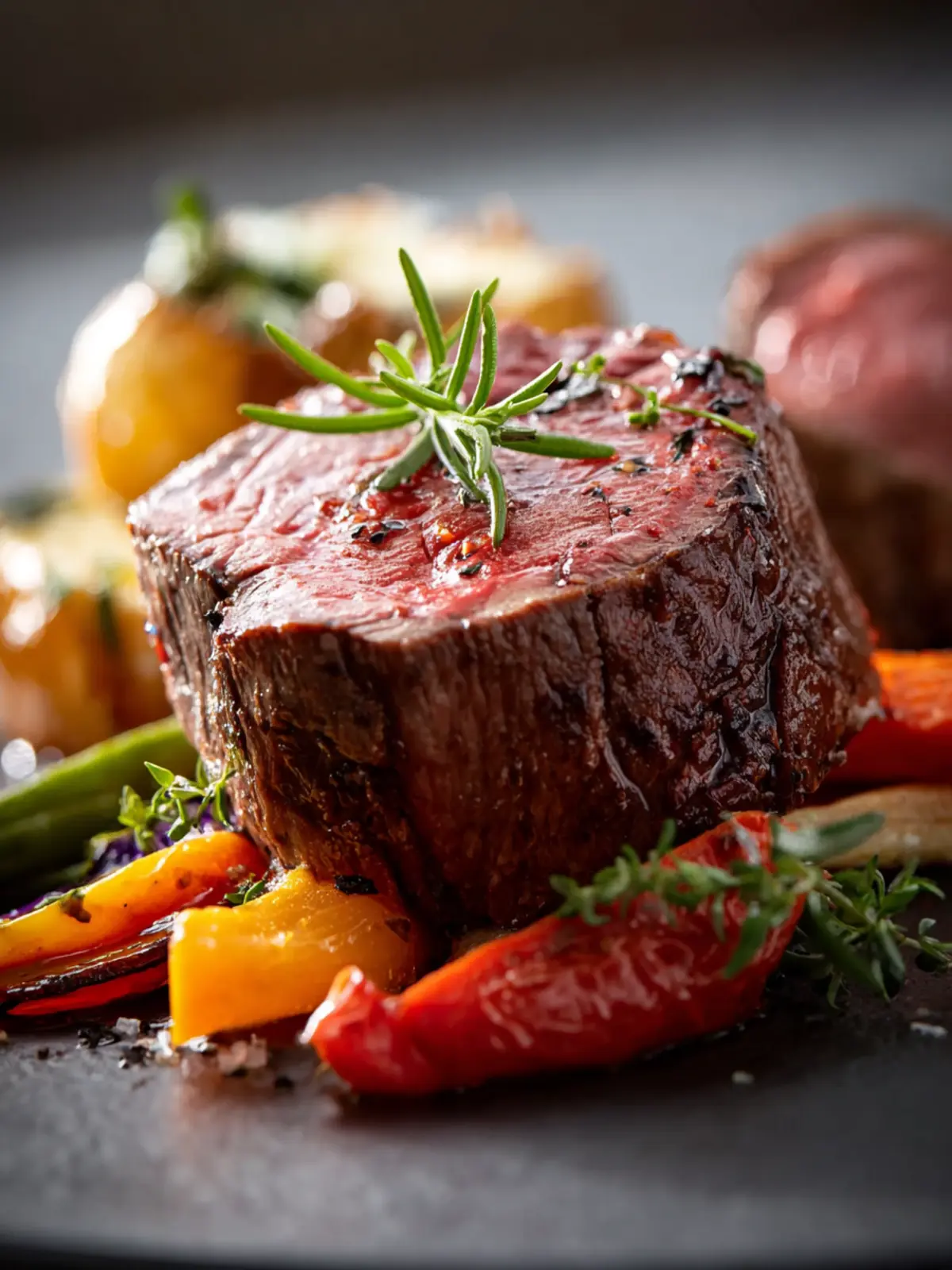
Variations on Healthy Beef Tenderloin
Creating healthy beef tenderloin is about more than just the cut of meat; it invites a world of flavors and culinary creativity. From marinades to sides, each variation tells its own delicious story.
Flavorful Marinades
- Herb & Garlic: A classic combination, using fresh herbs like rosemary and thyme with minced garlic creates a fragrant marinade that complements the beef beautifully. Let it sit for a few hours, or even overnight, for maximum flavor.
- Balsamic & Honey: Mixing balsamic vinegar with a touch of honey not only tenderizes the beef but also imparts a sweet tang. This pairs beautifully with roasted vegetables.
Accompaniments and Sides
- Roasted Vegetables: Consider serving your healthy beef tenderloin with seasonal roasted vegetables like Brussels sprouts or sweet potatoes. Toss them in olive oil, salt, and pepper for a nutritious explosion of flavor.
- Quinoa Salad: For a refreshing side, a quinoa salad mixed with cherry tomatoes, cucumbers, and parsley can offer a light contrast to the richness of the beef.
Each of these variations offers exciting twists on the traditional preparation, making your healthy beef tenderloin dinners fresh and flavorful every time. Whether you opt for a robust marinade or colorful sides, there’s always a new way to enjoy this elegant dish!
Cooking Tips and Notes for Healthy Beef Tenderloin
When you think of healthy beef tenderloin, it might not be the first dish that comes to mind, but with the right techniques, you can create a nourishing, flavorful meal that satisfies your taste buds without sacrificing health.
Choosing the Perfect Beef
Opt for grass-fed tenderloin if possible; it’s leaner and packed with omega-3 fatty acids, making your meal not only healthier but also more flavorful. If you’re mindful of your budget, remember that looking for sales can help you snag a premium cut without breaking the bank.
Seasoning Matters
When seasoning your healthy beef tenderloin, balance is key. A mix of fresh herbs like rosemary and thyme paired with a pinch of sea salt can enhance the meat’s natural flavor without adding unnecessary calories. Marinading the tenderloin for a few hours is another way to infuse it with flavor while also tenderizing the meat.
Cooking Technique
Cooking at the right temperature is crucial. Aim for a medium-rare finish, which allows the beef to retain moisture while still being cooked through. A meat thermometer can be your best friend here—aim for an internal temperature of about 135°F (57°C). Letting the meat rest for a few minutes post-cooking allows the juices to redistribute, ensuring that every bite is succulent.
Pairing Suggestions
To keep your dish balanced, consider serving your healthy beef tenderloin with a side of roasted vegetables or a fresh salad. These sides add crucial nutrients and texture to your meal, making it hearty without being heavy.
Incorporating these tips will ensure that your experience with healthy beef tenderloin is as enjoyable as it is nourishing!
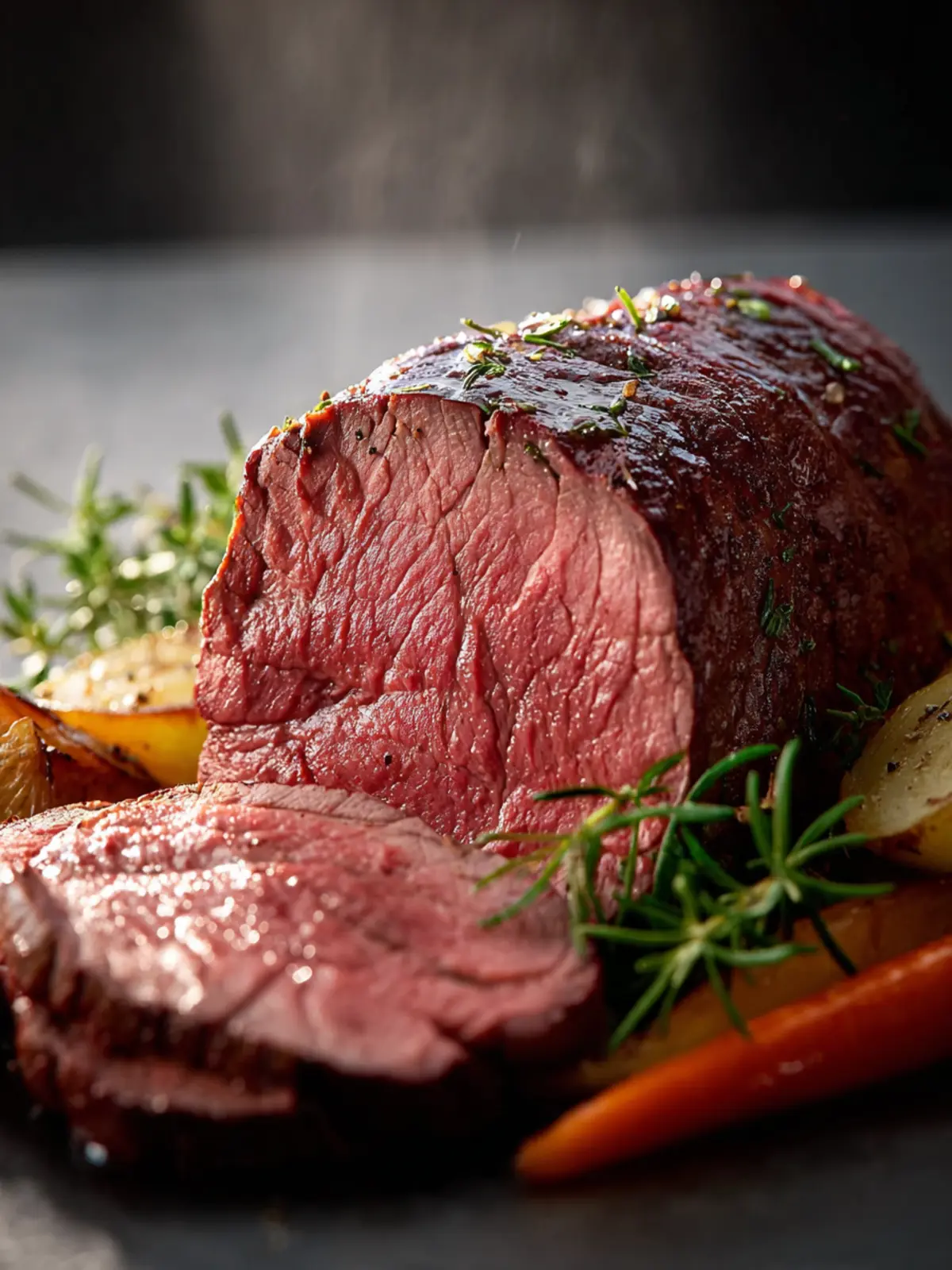
Serving Suggestions for Healthy Beef Tenderloin
Preparing a delicious healthy beef tenderloin is just the beginning of your culinary adventure. How you serve it can elevate the entire dining experience!
Complementary Sides
-
Roasted Vegetables: Pair the tenderloin with a mix of seasonal veggies such as asparagus, carrots, and Brussels sprouts. Roasting brings out their natural sweetness and adds a crunch that beautifully contrasts with the tender beef.
-
Quinoa Salad: A light quinoa salad with cherry tomatoes, cucumbers, and a bright lemon vinaigrette not only adds color but also provides a refreshing balance to the richness of the beef.
Flavor Enhancements
- Herb Sauces: Consider drizzling a homemade chimichurri or a balsamic reduction over the sliced tenderloin. These sauces introduce zesty and tangy flavors that perfectly complement the savory meat.
Dining Experience
- Plating: Presenting your healthy beef tenderloin on a large platter surrounded by vibrant sides can create a stunning centerpiece. Garnish with fresh herbs like parsley or cilantro for an extra pop of color.
By thoughtfully considering your sides and enhancing flavors, you can turn your meal into an unforgettable dining experience that showcases your delicious beef tenderloin. Happy cooking!
Time Breakdown for Healthy Beef Tenderloin
Cooking healthy beef tenderloin doesn’t have to feel overwhelming. With a simple time breakdown, you can plan your meal prep and ensure everything comes together beautifully. Let’s take a closer look at what to expect.
Preparation Time
Getting things ready for your healthy beef tenderloin takes about 15 minutes. This includes trimming the meat, seasoning it, and letting it marinate if you choose. These small steps set the stage for a perfectly tender dish.
Cooking Time
The actual cooking process takes around 20 minutes. Whether you’re searing it in a hot skillet or roasting it in the oven, it’s a quick and efficient way to serve up a delicious, nutritious meal.
Total Time
In total, you’re looking at around 35 minutes from start to finish, allowing you to enjoy a gourmet experience without spending all evening in the kitchen. Perfect for those busy weeknights!
Nutritional Facts for Healthy Beef Tenderloin
When you dive into the world of healthy beef tenderloin, you’re not just treating your palate—you’re also nourishing your body. This cut of meat is irresistibly tender and packed with essential nutrients to keep you vibrant and energized.
Calories
A 3-ounce serving of healthy beef tenderloin typically has about 180 calories. This makes it a lean option for your dinner plate, allowing you to enjoy a satisfying portion without the guilt.
Protein
One of the standout features of beef tenderloin is its protein content, clocking in at approximately 26 grams in that 3-ounce serving. Protein is essential for muscle growth and repair, making it a perfect choice for an active lifestyle.
Fat
With roughly 8 grams of fat, the healthy beef tenderloin boasts a relatively low-fat profile compared to other beef cuts. Most of the fat is monounsaturated, which can be beneficial for heart health when consumed in moderation.
Carbohydrates
You’ll be pleased to know that beef tenderloin contains virtually no carbohydrates—less than 1 gram per serving. This makes it an excellent choice for those following low-carb diets while still enjoying a delectable meal.
Approach your meal thoughtfully, and let a slice of healthy beef tenderloin not just fill your stomach but also energize your spirit.
FAQ about Healthy Beef Tenderloin
Exploring the delightful world of healthy beef tenderloin brings not only tender and delectable flavors to the table but also a nourishing protein source that fits seamlessly into your wellness journey. Here’s your guide to mastering this fantastic dish, answering some of the most common questions you may have.
What is the best way to cook beef tenderloin?
Cooking healthy beef tenderloin perfectly starts with the right method. I recommend using the sous-vide technique for a consistently juicy outcome. First, season your tenderloin generously with salt, pepper, and your favorite herbs. Vacuum-seal it and cook it in a water bath at 130°F (54°C) for about 2-4 hours. Then, finish it off with a quick sear in a hot skillet to achieve that beautiful crust.
Can I prepare this dish ahead of time?
Absolutely! You can marinate your beef tenderloin in advance to enhance flavor and tenderness. Just store it in the refrigerator for up to 24 hours before cooking. After sous-vide cooking, you can also chill it and sear just before serving, making it a perfect dish for entertaining.
How do I know when my beef is cooked perfectly?
For the most precise results, a meat thermometer is your best friend! Aim for an internal temperature of 130°F (54°C) for medium-rare and 140°F (60°C) for medium. If you’re not sure, give it a gentle poke; perfectly cooked beef tenderloin should feel slightly firm but have some yield. Remember, it’s always better to check early than to overcook your precious cut!
With these tips, your healthy beef tenderloin will be nothing short of spectacular! Enjoy your culinary adventure!
Conclusion on Healthy Beef Tenderloin
Incorporating healthy beef tenderloin into your meals can transform your dining experience. This cut of meat is not only lean but packed with essential nutrients, including protein, B vitamins, and iron—perfect for those seeking to maintain a balanced diet. Serving it with fresh vegetables and whole grains further elevates its health benefits, offering a flavorful way to enjoy a nutritious meal.
Whether you prepare it grilled, roasted, or pan-seared, this dish fosters togetherness and satisfaction at the dinner table, making it a choice you can feel proud of. Don’t hesitate to experiment with your favorite herbs and spices to make each meal uniquely yours!
Print
Beef Tenderloin with Roasted Vegetables
- Total Time: 50 minutes
- Yield: 4 servings 1x
- Diet: Gluten Free
Description
Delicious beef tenderloin seared to perfection and served with a medley of roasted vegetables.
Ingredients
- 1 pound beef tenderloin
- 2 tablespoons extra virgin olive oil
- 1 pound asparagus spears
- 1 pound broccoli florets
- 1 pound bell peppers (any shade)
- 1 pound green beans
- 2 cups baby spinach
- 2 sweet potatoes
- 2 carrots
- 3 cloves freshly minced garlic
- 2 thinly sliced shallots
- 2 tablespoons fresh rosemary
- 2 tablespoons fresh thyme
- 2 tablespoons fresh oregano
- 1 tablespoon coarse sea salt
- 1 tablespoon freshly ground black pepper
- 1 teaspoon garlic powder
- 1 teaspoon onion powder
- 1 teaspoon smoked paprika
- 1 cup low-sodium beef broth (optional)
- 1 tablespoon balsamic vinegar (optional)
- 1 tablespoon fresh lemon juice (optional)
Instructions
- If you have a larger tenderloin roast, slice it into individual steaks about 1 to 1.5 inches thick. Pat the steaks thoroughly dry with paper towels; this is a critical step for achieving a beautiful sear! Season generously on all sides with sea salt, freshly ground black pepper, and your favorite seasonings like garlic powder and a pinch of dried rosemary. Let them sit at room temperature for about 15-20 minutes while you prep your veggies.
- Preheat your oven to 400°F (200°C). On a large baking sheet, spread out your chosen quick-cooking vegetables (like asparagus, broccoli, bell peppers, or thin-sliced sweet potatoes). Drizzle with a tablespoon of olive oil, season with salt, pepper, and perhaps some dried thyme or minced garlic. Toss to coat evenly.
- Heat a heavy-bottomed skillet (cast iron works wonderfully) over medium-high heat until it’s smoking slightly. Add a tablespoon of olive oil. Carefully place the seasoned tenderloin steaks in the hot pan, ensuring not to overcrowd it (cook in batches if necessary). Sear for 2-3 minutes per side until a beautiful, deep brown crust forms.
- For thicker steaks (1.5 inches or more) or if you prefer a more even cook, transfer the seared steaks directly to the baking sheet with the vegetables. Place the baking sheet in the preheated oven.
- Roast for 8-15 minutes, depending on the thickness of your steaks and your desired doneness. For medium-rare, aim for an internal temperature of 130-135°F (54-57°C). For medium, 135-140°F (57-60°C). Use a meat thermometer inserted into the thickest part of the steak for accuracy. Your vegetables should be tender-crisp by this time.
- Once cooked to your liking, remove the steaks from the oven and transfer them to a cutting board. Tent loosely with foil and let them rest for at least 5-10 minutes.
- Slice the tenderloin against the grain if desired, and serve immediately with the roasted vegetables. You can drizzle any pan juices from the resting board over the meat and veggies for extra flavor.
Notes
- Ensure the skillet is really hot before adding the steaks for a perfect sear.
- Adjust cooking time based on the thickness of the steaks and desired doneness.
- Prep Time: 20 minutes
- Cook Time: 30 minutes
- Category: Main Course
- Method: Roasting, Searing
- Cuisine: American
Nutrition
- Serving Size: 1 steak with vegetables
- Calories: 400
- Sugar: 6g
- Sodium: 800mg
- Fat: 20g
- Saturated Fat: 6g
- Unsaturated Fat: 10g
- Trans Fat: 0g
- Carbohydrates: 40g
- Fiber: 10g
- Protein: 30g
- Cholesterol: 80mg
Keywords: beef, tenderloin, roasted vegetables, dinner, main course