

Introduction to Moong Dal (Mung Daal)
In the vibrant world of legumes, Moong Dal (Mung Daal) stands out as a culinary treasure, resonating with flavors that are both earthy and comforting. Imagine sitting down to a steaming bowl of this rich lentil dish, instantly filled with warmth and nostalgia—perhaps a memory of family dinners or evenings spent with friends, where each spoonful carries a story steeped in tradition.
Moong Dal, made from hulled green gram, is not only easy to cook but also incredibly nutritious. Known for its versatility, this delightful dal is a beloved choice in many kitchens across India and beyond. The charm of Moong Dal lies not just in its taste but also in how effortlessly it can be incorporated into various dishes. Whether you prefer it in a traditional curry, as a simple soup, or even blended into delightful pancakes, its adaptability is truly remarkable.
Why is Moong Dal a staple in many kitchens?
Moong Dal (Mung Daal) is packed with proteins, making it an excellent substitute for meat in vegetarian diets. It is also low in fat, rich in vitamins, and a great source of dietary fiber, which helps maintain digestive health.
Here’s why it’s often a go-to ingredient:
-
Quick Preparation: Unlike other lentils, Moong Dal cooks swiftly, usually within 20 minutes. This feature makes it perfect for weeknight dinners or busy lunches.
-
Mild Flavor: Its subtle taste makes it a blank canvas for various spices and ingredients. You can experiment with flavors, whether you prefer it lightly seasoned or packed with spices.
-
Health Benefits: High in nutrients and low in calories, Moong Dal not only satisfies the taste buds but also contributes to a healthy lifestyle. It’s an excellent source of plant-based protein and essential vitamins.
-
Cultural Significance: For many, cooking with Moong Dal is more than just a meal; it’s woven into the fabric of family traditions and celebrations.
Incorporating Moong Dal (Mung Daal) into your cooking repertoire not only diversifies your meals but also enriches your nutritional intake. Isn’t it time you experienced the comfort and delight of this versatile pulse?
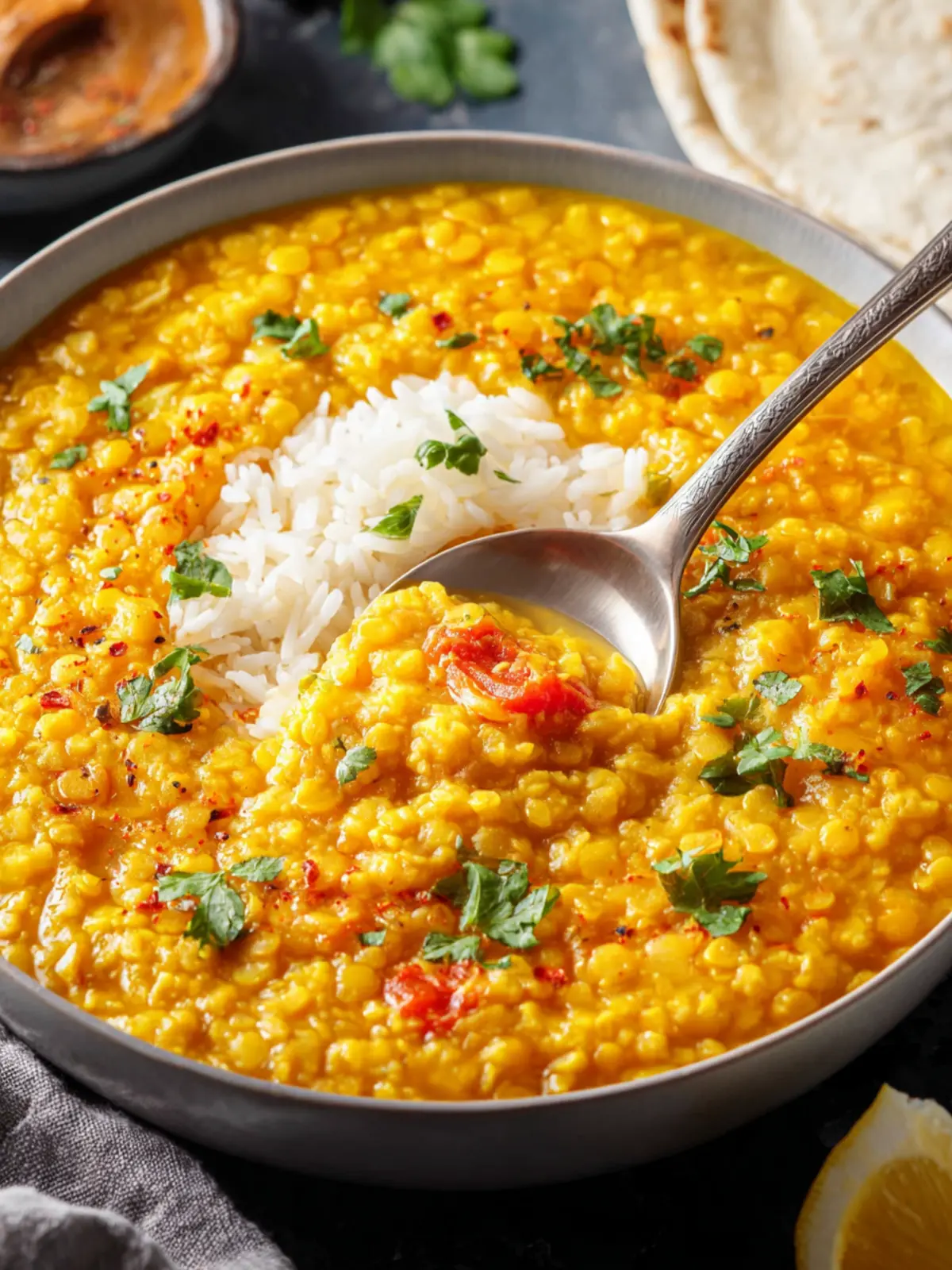
Key Ingredients for Moong Dal
Moong Dal (Mung Daal) is brimming with flavors and nutrients, making it a beloved dish across many cultures. Crafting this dish is all about the harmony of its key ingredients that come together to create a comforting meal. Here’s what you’ll need:
Olive Oil: We use olive oil to add richness and depth to the dish. It creates a flavorful base that enhances the other ingredients beautifully.
Onion: Chopped onion is essential, lending sweetness and a soft texture after being sautéed. It’s the backbone of our flavor profile.
Garlic: Freshly grated garlic elevates the dish, offering a delightful aroma with a hint of pungency that complements the other ingredients.
Ginger: Grated ginger introduces warmth and an earthy taste, perfectly harmonizing with our spice medley.
Ground Coriander and Cumin: These spices create a balanced flavor, with coriander contributing a citrusy warmth and cumin adding a deep, nutty note.
Turmeric Powder: A pinch of turmeric gives the dal its golden hue while infusing subtle earthiness and a wealth of health benefits.
Red Pepper Flakes: For those who enjoy a kick, red pepper flakes allow you to customize the heat level to your liking, enhancing the dish’s overall flavor.
Vine Tomatoes: The vine tomatoes blend seamlessly into the dal, providing perfect acidity and freshness, resulting in a rich, creamy texture.
Split Mung Beans: The star of our dish, split mung beans, deliver protein and create the creamy consistency we all love.
Vegetable Broth: Using vegetable broth as a base integrates and enhances all the ingredients, enriching the flavor profile of your Moong Dal.
Lemon Juice: A squeeze of lemon juice brightens the dish and balances the flavors, ensuring each bite is uplifting.
Garam Masala: To finish, a sprinkle of garam masala adds complexity and warmth, elevating the flavors to a whole new level.
Fresh Cilantro: Finally, a touch of fresh cilantro garnishes the dish, providing a lively contrast that ties everything together.
Why You’ll Love This Moong Dal Recipe
When it comes to stress-free weeknight dinners, Moong Dal (Mung Daal) is a standout. This comforting dish, rich in protein and flavor, has a story that unfolds in your kitchen and on your plate. Imagine coming home after a long day, the aroma of spices dancing in the air as you whip up a bowl of this golden lentil delight.
Simplicity Meets Nutrition
One of the reasons you’ll adore this recipe is its simplicity. With just a handful of ingredients, you can create a nourishing meal that caters to your taste buds. Moong dal is not only quick to prepare, but it’s also packed with essential nutrients.
- High in protein: Perfect for those busy evenings when you need a healthy meal without the fuss.
- Customizable: This dish can be turned into a vegan delight or paired with yogurt, rice, or naan for a complete meal.
Flavorful and Comforting
What truly sets this Moong Dal (Mung Daal) apart is its warm, comforting flavor. The earthy notes of cumin, garlic, and ginger meld harmoniously, making each bite a cozy experience.
So, why not bring this delightful dish into your weekly meal rotation? With its satisfying flavors and easy preparation, you’re bound to fall in love with making Moong Dal as much as you enjoy eating it!
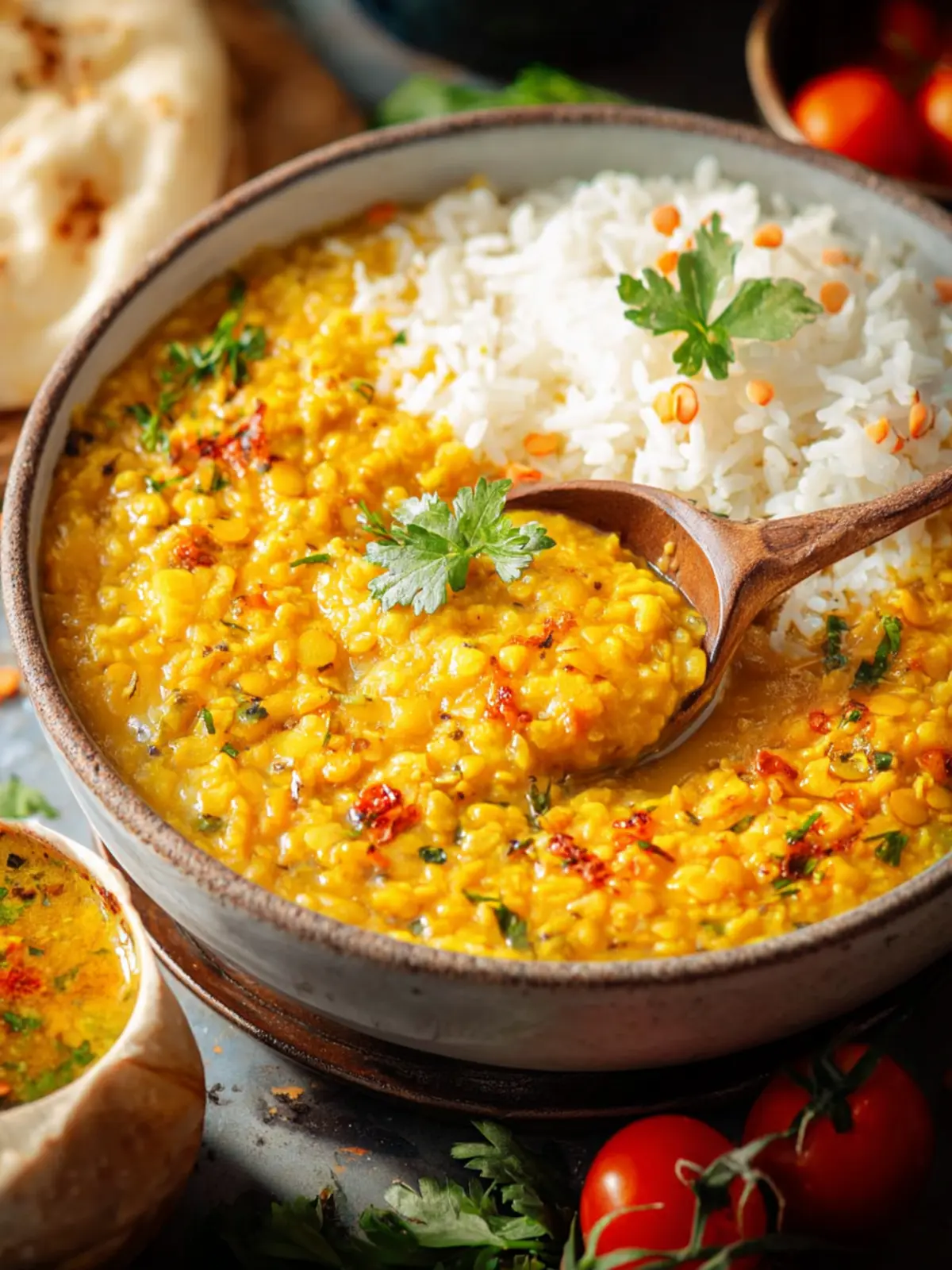
Variations of Moong Dal
Exploring the world of Moong Dal (Mung Daal) opens up a delicious array of options to elevate your basic recipe into something unique and exciting. Each variation adds a personal touch, making it perfect for your taste.
Different Legumes
While Moong Dal is a fantastic staple on its own, experimenting with different legumes can create delightful twists. Consider mixing in some red lentils for a vibrant color and slightly sweet flavor, or try black lentils for a robust earthiness. Each offers a unique texture and nutritional profile, making your dish even more rewarding.
Add-ins for Extra Flavor
To enhance the richness of Moong Dal (Mung Daal), think about incorporating add-ins. Adding spinach or kale introduces a fresh green note, while diced tomatoes can lend a tangy punch. For those who enjoy nuts, a handful of toasted cashews or almonds adds crunch and depth. If you’re feeling adventurous, even a dollop of coconut cream can impart a tropical flair!
Spice Substitutions
The beauty of Moong Dal really shines through its spices. If you’re low on cumin or coriander, don’t fret! Experiment with garam masala or curry powder for a quick flavor boost. A pinch of smoked paprika can also introduce a subtle smokiness that surprises the palate. Feel free to play around with these spices based on what you have on hand to create your signature spin on this beloved dish.
Cooking Tips and Notes for Moong Dal
Cooking Moong Dal (Mung Daal) is not just about the ingredients; it’s about creating a dish filled with flavor and comfort. With a few tricks up your sleeve, you can elevate this dish to new heights. Here are some helpful tips:
Soaking the Mung Beans
Soaking the mung beans before cooking is essential. Aim for at least 30 minutes to an hour of soaking. This not only shortens the cooking time but also makes the beans easier to digest. If you’re in a hurry, a quick soak in hot water for 20 minutes can also do the trick. You’ll notice how they plump up, enhancing their texture and flavor in your Moong Dal.
Adjusting the Consistency
Whether you prefer your Moong Dal (Mung Daal) thick or soupy, adjusting the consistency is key. For a thicker dal, reduce the liquid at the end of cooking. A splash of water or broth can be added incrementally if you find it too thick. Remember to taste as you go; the magic often lies in the balance.
Storage Tips
If you have leftovers (which is often the case!), store your Moong Dal in an airtight container in the refrigerator for up to three days. It actually tastes even better the next day as the flavors meld together. For longer storage, freeze in portions. Just remember to allow it to thaw in the fridge overnight before reheating for an easy meal later on.
With these simple tips, you’ll find that making Moong Dal (Mung Daal) turns into a delightful cooking experience that’s both satisfying and nourishing. Enjoy your culinary adventure!
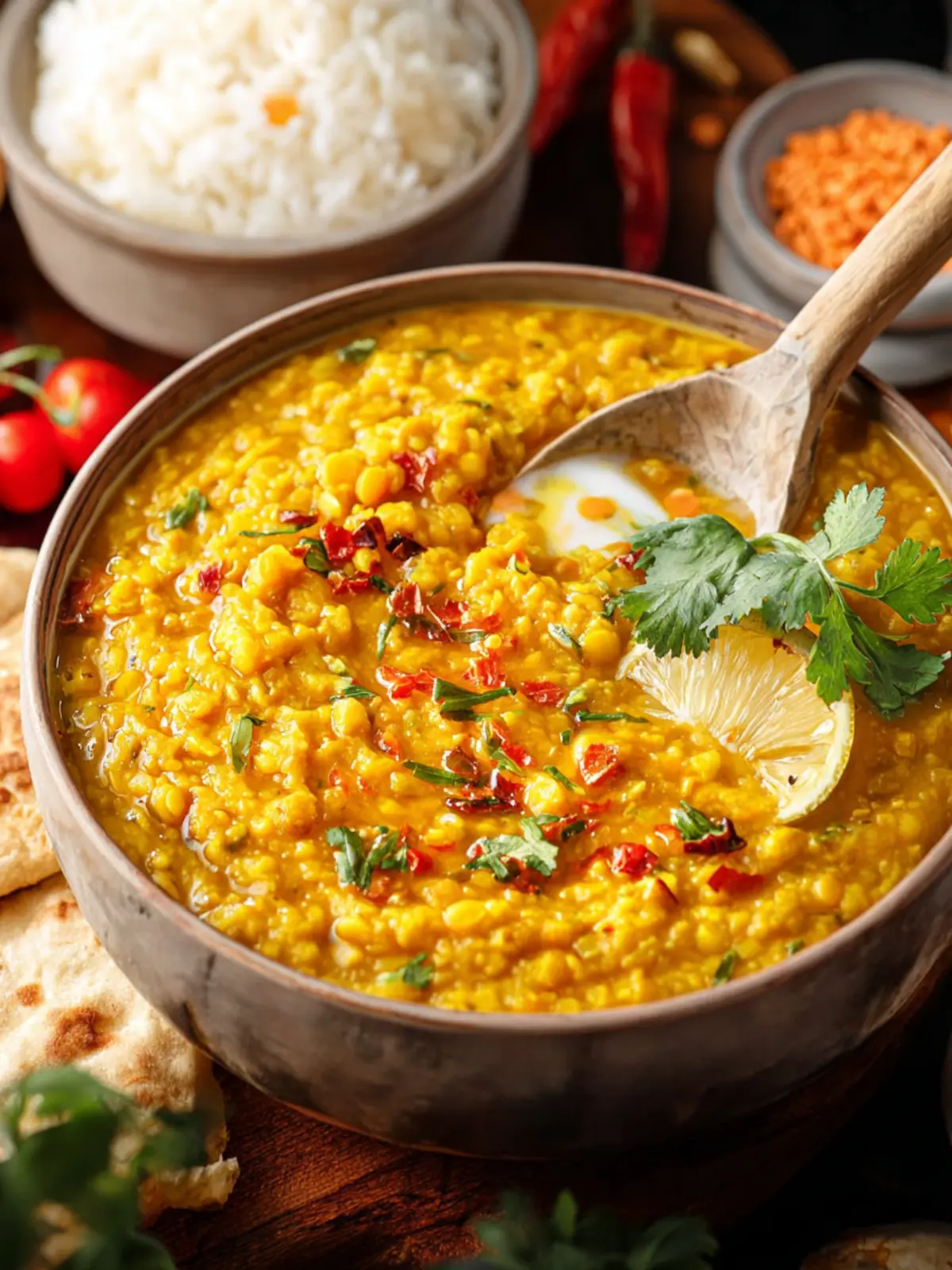
Serving Suggestions for Moong Dal
When you prepare Moong Dal (Mung Daal), you’re not just cooking a dish; you’re creating a warm experience that brings people together. This versatile lentil dish can be paired with numerous sides, elevating your dining experience from good to unforgettable.
Suggested sides
Moong Dal shines best when paired with complementary sides. Consider:
- Basmati Rice: The fluffy grains soak up the dal beautifully, making every bite harmonious.
- Jeera Rice: A fragrant cumin-infused rice adds a delightful aroma that’s hard to resist.
- Chapati or Naan: Flaky, warm Indian breads are perfect for sopping up the rich dal.
Ideal garnishes
The right garnishes can transform your Moong Dal into a feast for the eyes as well as the palate. Here are some favorites:
- Fresh cilantro: A sprinkle of chopped cilantro adds a burst of color and freshness.
- Lemon wedges: A squeeze of lemon elevates the flavors with a zesty kick.
- Chili flakes or green chilies: For those who enjoy heat, these additions can spice things up!
Pairing with beverages
To round out your meal, consider beverages that complement your Moong Dal. Here are a few suggestions:
- Mango Lassi: The creamy sweetness balances the spices beautifully.
- Masala Chai: A warm cup of chai adds a comforting touch, perfect for a cozy dinner.
- Coconut water: Refreshing and hydrating, it’s a great palate cleanser.
By thoughtfully choosing your sides, garnishes, and beverages, you’re set to make your Moong Dal (Mung Daal) experience truly exceptional!
Time Breakdown for Moong Dal
When you dive into the world of Moong Dal (Mung Daal), every minute spent preparing and cooking feels worthwhile, as it transforms simple ingredients into a comforting dish. Here’s how your time will break down:
Preparation Time
Getting everything ready for your Moong Dal takes about 10-15 minutes. This includes washing the dal, chopping any vegetables, and gathering your spices. Having everything prepped and in place makes your cooking experience smoother and more enjoyable.
Cooking Time
Cooking the dal is where the magic happens! It typically takes around 20-30 minutes for the dal to become tender and absorb all those wonderful flavors. If you’re using a pressure cooker, this time can be significantly reduced, making it even more convenient for a busy weeknight.
Total Time
In total, the process from start to finish takes about 30-45 minutes. This quick meal not only nourishes the body but also warms the soul, making it the perfect addition to your culinary repertoire. Enjoy your cooking journey!
Nutritional Facts for Moong Dal
Moong Dal (Mung Daal) is not just a comforting dish; it’s a powerhouse packed with essential nutrients that can transform your meal into a healthy delight. Understanding its nutritional value is key when you’re looking to eat wisely while enjoying great flavors.
Calories
A single serving of Moong Dal typically contains around 100-120 calories. This makes it an excellent choice for anyone looking to maintain a balanced diet without sacrificing flavor.
Protein
One of the standout features of Moong Dal is its protein content, providing about 8 grams per serving. This is particularly beneficial for vegetarians and anyone aiming to boost their protein intake for muscle recovery or overall health.
Fiber
With around 7 grams of fiber per serving, Moong Dal is a fantastic source for promoting digestive health. Including this lentil in your diet can help keep you feeling full longer, which is perfect for busy young professionals managing their appetites throughout the day.
FAQ about Moong Dal
Getting to know Moong Dal (Mung Daal) can be a delightful journey, but sometimes questions arise along the way. Whether you’re a seasoned cook or a newbie, this FAQ section aims to provide clarity and confidence as you experiment with this versatile ingredient.
What can I substitute for mung beans?
If you’re in a pinch or simply can’t find mung beans, there are several excellent alternatives to consider:
- Split Green Peas: These have a similar taste and texture, making them a reliable substitute.
- Lentils: Both red and green lentils can work well. Keep in mind that cooking times may vary.
- Chickpeas: While they have a distinct flavor and texture, they can also add great protein to your dishes.
How do I store leftover Moong Dal?
Storing your delicious Moong Dal is simple! After cooking, allow it to cool to room temperature. Transfer it to an airtight container and keep it in the refrigerator. Properly stored, it should stay fresh for about 3 to 5 days. Reheat on the stove or microwave when you’re ready for a quick meal!
Can I freeze Moong Dal?
Absolutely! Freezing Moong Dal is a great option for meal prep. Make sure it’s completely cooled before portioning it into freezer-safe bags or containers. When ready to enjoy, simply thaw in the refrigerator overnight and reheat on the stove or microwave. It should maintain its deliciousness for up to three months in the freezer.
This way, you can savor the flavors of Moong Dal (Mung Daal) even on busy days. Happy cooking!
Conclusion on Moong Dal
In closing, Moong Dal (Mung Daal) stands as a staple in many households—not just for its delightful flavor, but for its impressive nutritional profile. This versatile dish serves as a wonderful base for countless variations, whether you prefer it spicy or mild. Cooking moong dal is not merely a task; it’s an experience. With just a few simple ingredients, you can whip up a comforting and nourishing meal that promotes overall health. So why not give this easy recipe a try? You might discover a new favorite that brightens your dinner table and warms your heart. Enjoy the journey into the world of dal!
Print
Mung Bean Dal
- Total Time: 40 minutes
- Yield: 4 servings 1x
- Diet: Vegetarian
Description
A delicious and creamy mung bean dal, perfect served with basmati rice or naan.
Ingredients
- 2 tablespoons olive oil
- 1 onion (chopped)
- 3 cloves garlic (grated)
- 1 inch ginger (grated)
- 1½ teaspoon ground coriander
- ¾ teaspoon ground cumin
- ½ teaspoon turmeric powder
- ¼ teaspoon red pepper flakes (or more to taste)
- 1 pound vine tomatoes
- 1 teaspoon salt (or more to taste + 2 twists black pepper optional)
- 1 cup split mung beans (also sold as moong dal)
- 4 cups vegetable broth
- 2 tablespoons lemon juice
- 1 teaspoon garam masala (optional)
- 1 tablespoon fresh cilantro (optional)
Instructions
- Cut 1 pound vine tomatoes into small dice and set aside.
- In 2 tablespoons olive oil, sauté 1 chopped onion for 4 minutes or until soft.
- Add 3 grated cloves garlic and 1 inch grated ginger, stirring for one more minute.
- Mix in 1½ teaspoon ground coriander, ¾ teaspoon ground cumin, ½ teaspoon turmeric powder, and ¼ teaspoon red pepper flakes.
- Add the chopped tomatoes, 4 tablespoons water, 1 teaspoon salt, and 2 twists black pepper. Cook on medium-high heat for 5 minutes or until the tomatoes turn into a puree.
- Rinse 1 cup split mung beans and add them to the tomato-spice mix.
- Pour in 4 cups vegetable broth and simmer uncovered for 20 minutes or until mung beans are tender and dal is creamy.
- Turn off the heat, stir in 2 tablespoons lemon juice and 1 teaspoon garam masala.
- Serve with your favorite sides and toppings such as basmati rice or naan bread, quick pickled onions, and yogurt.
Notes
- Recommended sides: basmati rice or naan bread.
- Optional toppings: fresh cilantro, quick pickled onions, and yogurt.
- Prep Time: 10 minutes
- Cook Time: 30 minutes
- Category: Main Dishes
- Method: Stove
- Cuisine: Indian
Nutrition
- Serving Size: 1 cup
- Calories: 250
- Sugar: 5g
- Sodium: 800mg
- Fat: 10g
- Saturated Fat: 1g
- Unsaturated Fat: 8g
- Trans Fat: 0g
- Carbohydrates: 35g
- Fiber: 12g
- Protein: 14g
- Cholesterol: 0mg
Keywords: mung bean, dal, vegetarian, healthy