

Introduction to Pasta Primavera
Pasta Primavera shines on dinner tables around the world, capturing hearts with its vibrant colors and tantalizing flavors. There’s something magical about how this dish brings together a delightful medley of fresh vegetables tossed in pasta, creating a symphony of taste that feels both hearty and refreshing. It isn’t just another pasta recipe; it’s a celebration of seasonal produce, making each bite an explosion of freshness.
What makes Pasta Primavera a family favorite?
One of the reasons Pasta Primavera is such a beloved choice for families is its versatility. Whether you have picky eaters or adventurous taste buds at the table, this dish can easily adapt to suit everyone’s preferences. Here’s how:
-
Seasonal Variability: You can use whatever vegetables are fresh or available. Asparagus in spring, zucchini in summer, or squash in autumn—each version offers a unique twist while staying true to its roots.
-
Quick Preparation: After a long day, families appreciate recipes that don’t demand too much time in the kitchen. Pasta Primavera can usually be prepared in under 30 minutes, allowing you to serve a home-cooked meal without feeling rushed.
-
Nutritional Value: Packed with colorful veggies like bell peppers, cherry tomatoes, and spinach, Pasta Primavera is loaded with vitamins and minerals. It’s a great way to sneak in essential nutrients that families often overlook, especially when kids are involved.
-
Interactive Cooking: Cooking Pasta Primavera can easily transform into a fun family activity. Encourage everyone to pick and chop their favorite vegetables, making the meal feel personal and inclusive.
-
Timeless Appeal: Unlike some trendy dishes, Pasta Primavera has an enduring charm that resonates across generations. It reminds many of shared meals, laughter, and togetherness, making it more than just food; it’s about connection.
As you dive into preparing your own bowl of Pasta Primavera, remember that it’s not just about the ingredients; it’s about the cherished moments that gather around the dinner table, celebrating both good food and great company.
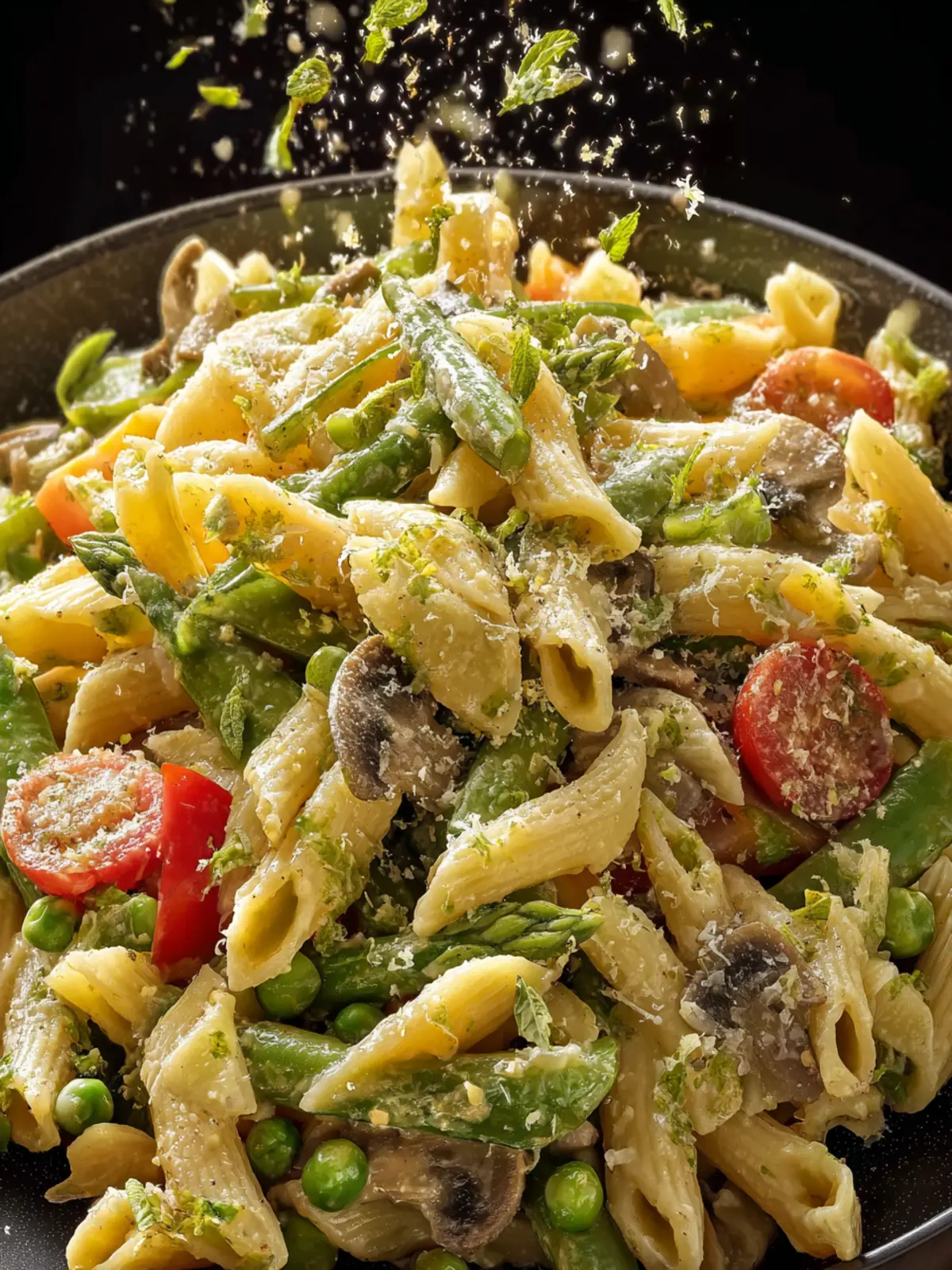
Key Ingredients for Pasta Primavera
Vegetables: At the heart of Pasta Primavera are vibrant, fresh vegetables. I recommend zucchini, bell peppers, and cherry tomatoes for their crispness and sweetness. Using seasonal veggies not only enhances the dish’s flavor but also adds a splash of color that makes the pasta visually appealing.
Pasta: Choose your favorite pasta shape! I prefer penne or farfalle because they hold onto the sauce beautifully. Whole-grain options are great for a healthier twist, providing extra fiber without compromising taste.
Olive Oil: A good-quality extra virgin olive oil is essential for sautéing the vegetables. It adds a rich, fruity flavor that brings the whole dish together.
Garlic: Fresh garlic serves as a flavor booster in Pasta Primavera. Sautéing it until fragrant ensures that your dish has a delightful aroma and depth of flavor.
Parmesan Cheese: A sprinkle of freshly grated Parmesan at the end elevates the dish, adding a salty, nutty kick that complements the fresh veggies perfectly. You can substitute nutritional yeast for a vegan option, keeping the integrity of this delicious dish intact while offering a unique twist.
Why You’ll Love This Pasta Primavera
Imagine a dish that not only brings a burst of colors to your plate but also delights your palate with fresh, vibrant flavors. That’s exactly what you get with Pasta Primavera! This recipe showcases seasonal vegetables in a light, aromatic sauce that makes for a satisfying yet guilt-free meal. Perfect for those busy weeknights or laid-back weekends, it celebrates the beauty of simplicity and the joy of cooking.
Quick and Easy to Prepare
One of the best things about Pasta Primavera is its quick prep time. Whether you’re just getting home from work or hosting friends for dinner, you can whip it up in under 30 minutes. It’s a lifesaver for anyone looking to eat healthy without spending hours in the kitchen.
Versatility at Its Best
With Pasta Primavera, you can customize it to match your taste or what you have on hand. Feel free to swap in any fresh, seasonal vegetables or even add proteins like chicken or shrimp for a heartier dish. The adaptability makes it perfect for meal prep or using up leftovers — it’s a dish that keeps giving!
Packed with Nutrients
This dish is not just a feast for the eyes; it’s also packed with vitamins from its colorful vegetables. Toss in some vibrant bell peppers, crunchy broccoli, and tender zucchini, and you’re treating your body to an array of essential nutrients. Enjoy guilt-free eating that nourishes your body and satisfies your cravings!
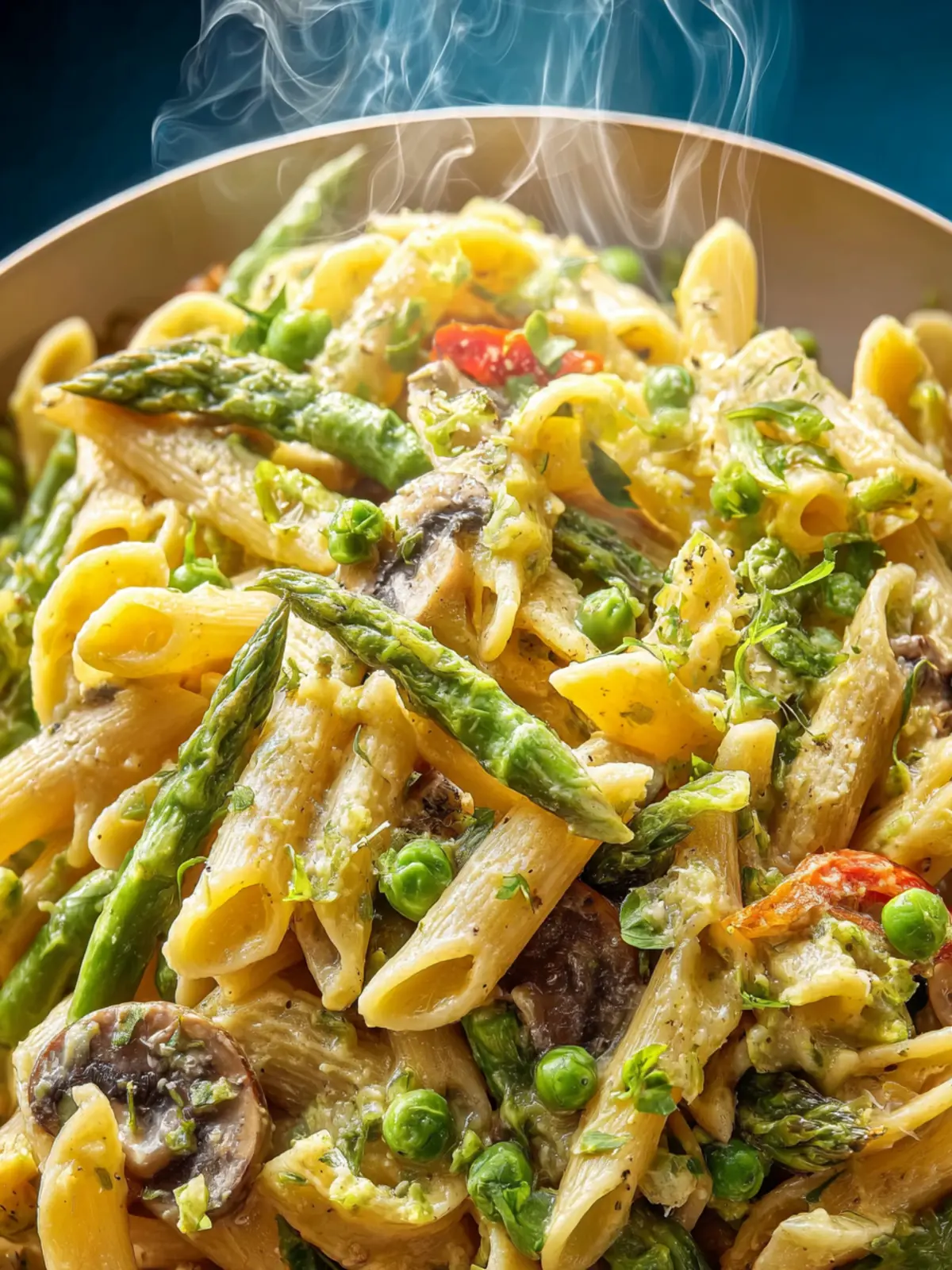
Tips for Making Perfect Pasta Primavera
Creating a delicious Pasta Primavera isn’t just about following a recipe; it’s about embracing the vibrant colors and flavors of the fresh vegetables you choose. Here are some practical tips to elevate your dish:
Choose Fresh, Seasonal Vegetables
The heart of Pasta Primavera lies in the vegetables. Always opt for fresh, seasonal produce that’s brightly colored and crisp. Think bell peppers, zucchini, asparagus, and cherry tomatoes. Not only do they taste better, but the colors will also make your dish visually stunning.
Don’t Overcook Your Pasta
Al dente pasta adds a delightful bite to your dish and helps it hold up against the sautéed vegetables. Keep an eye on your cooking time, and remember that the pasta will continue to cook slightly after you drain it. Using a starchy pasta cooking water can also help bind everything together beautifully.
Balance Flavors and Textures
When sautéing your veggies, aim for a mix of textures and flavors. Some vegetables may need longer to cook than others, so add them in stages. For example, start with heartier vegetables like carrots and broccoli, and add delicate ones like spinach towards the end to maintain a fresh, crisp taste.
Finish with a Flavor Boost
A splash of olive oil or a sprinkle of grated Parmesan can add richness to your Pasta Primavera. For a zesty kick, squeeze in fresh lemon juice just before serving. It brightens up the dish and enhances the natural flavors of the vegetables.
By following these tips, you’ll create a beautiful and flavorful Pasta Primavera that is sure to impress. Enjoy crafting this dish that perfectly captures the essence of fresh ingredients!
Time Breakdown for Pasta Primavera
Creating a delicious Pasta Primavera is both a satisfying and enjoyable process. Knowing how long each step takes can help you manage your time in the kitchen effectively.
Preparation Time
The prep work for Pasta Primavera takes about 15 minutes. This involves chopping vegetables and getting your ingredients ready.
Cooking Time
Once you’re prepped, the cooking time is relatively quick at around 20 minutes. You’ll enjoy a delightful mix of al dente pasta and vibrant veggies in no time.
Total Time
All in all, expect to spend about 35 minutes from start to finish. In less than an hour, you’ll have a fresh, flavorful dish that’s perfect for a busy weeknight dinner!
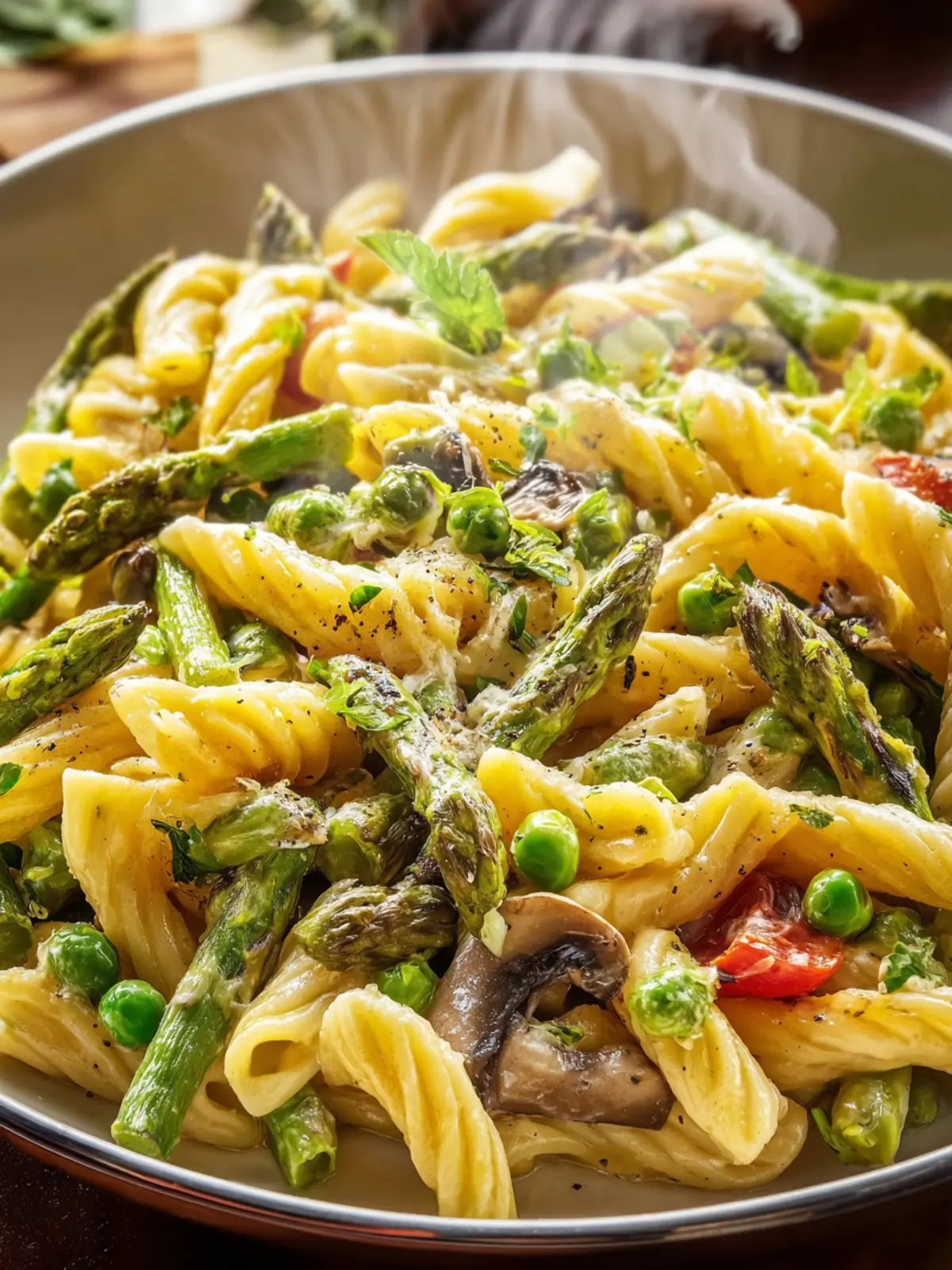
Nutritional Information for Pasta Primavera
Cooking Pasta Primavera is more than just a delightful culinary experience; it’s a great way to indulge in a colorful array of vegetables while maintaining a balanced diet. This dish not only nourishes the soul but also provides significant nutritional benefits that can fit into any active lifestyle.
Calories
A standard serving of Pasta Primavera clocks in at around 400 calories. This makes it a fantastic option for a light lunch or dinner, particularly when you’re craving something both satisfying and nutritious.
Protein
Each serving packs about 12 grams of protein. By incorporating a variety of vegetables like bell peppers, zucchini, and broccoli, you’re not just getting protein from the pasta itself, but also from the veggies, enhancing both flavor and nutrient density.
Sodium
With approximately 600 milligrams of sodium per serving, Pasta Primavera is reasonably low in sodium, especially if you control the salt added during cooking. This makes it a great choice for those keeping an eye on their sodium intake while not skimping on taste.
By choosing Pasta Primavera, you’re opting for a meal that balances nutrition and flavor, perfect for those busy weeknights or a weekend treat!
FAQs about Pasta Primavera
Pasta Primavera is a delightful dish that bursts with the vibrant flavors of seasonal vegetables, making it a go-to for anyone craving a light yet satisfying meal. As you embark on your culinary journey with this recipe, you might have some questions. Here’s a friendly guide to help you.
Can I make Pasta Primavera vegan?
Absolutely! Making Pasta Primavera vegan is not only doable, but it’s also delicious. Simply swap out any dairy products, like cheese or cream, for plant-based alternatives. Nutritional yeast is a fantastic option for adding a cheesy flavor without the dairy. You can also use vegetable broth instead of butter for sautéing your veggies. Let your creativity shine through with this vibrant vegetarian classic!
How do I store leftover Pasta Primavera?
If you find yourself with Pasta Primavera leftovers, don’t worry! To keep it fresh, allow it to cool down to room temperature, then transfer it to an airtight container. It can last in the refrigerator for about 3-4 days. When you’re ready to enjoy it again, simply reheat it on the stovetop with a splash of water or vegetable broth to restore its original texture and flavor.
What other vegetables can I add to Pasta Primavera?
The best part about Pasta Primavera is its versatility! While this dish typically includes staples like bell peppers, zucchini, and cherry tomatoes, you can easily mix in other favorites such as broccoli, asparagus, or even peas. The key is to use fresh, seasonal vegetables that you love. Don’t be afraid to experiment and create a colorful, healthy medley that caters to your taste!
Conclusion on Pasta Primavera
In the world of vibrant, fresh meals, Pasta Primavera stands out as a delightful celebration of seasonal vegetables. This dish not only brings a burst of color to your plate but also allows for endless customization based on what you have on hand. Remember to lightly sauté your chosen veggies to retain their crunch, and don’t skimp on the fresh herbs—they enhance the overall flavor beautifully. Whether you enjoy it as a light lunch or a hearty dinner, Pasta Primavera can easily become a staple in your kitchen. Embrace the creativity that comes with this dish, and soon, you’ll be experimenting with your favorite ingredients!
Print
Penne with Vegetables and Greek Yogurt
- Total Time: 35 minutes
- Yield: 4 servings 1x
- Diet: Vegetarian
Description
This delicious penne dish is packed with colorful vegetables and creamy Greek yogurt, perfect for a light and healthy meal.
Ingredients
- 12 oz penne (sub farfalle or fusilli + salt for pasta water)
- 2 tablespoons extra virgin olive oil
- ½ onion (chopped)
- 3 cloves garlic (grated)
- 2 cups mushrooms (button or cremini)
- 1½ cups asparagus (trimmed and cut into 1-inch pieces)
- 1 medium zucchini (quartered lengthwise and sliced)
- 1 cup frozen peas (no need to thaw)
- 1 cup zucchini flowers (stem removed and gently torn – optional but lovely)
- ½ cup Greek yogurt
- ½ cup Parmigiano Reggiano (grated, sub Grana Padano or Parmesan)
- ¼ cup Pecorino Romano (grated, optional – sub more parmesan)
- 1 teaspoon lemon zest (juice is optional)
- 1 handful fresh herbs (choose basil, thyme, or parsley)
Instructions
- Sauté the Vegetables: In a large skillet, heat 2 tablespoons extra virgin olive oil over medium heat. Add ½ onion cooking for a couple of minutes until fragrant and soft. Add 2 cups mushrooms, 1½ cups asparagus, and 3 cloves garlic, season with salt and pepper, and cook until they release moisture and start to brown (3 – 4 minutes) and add 1 medium zucchini, cooking for a few more minutes. Stir in 1 cup frozen peas and cook until warmed through. Turn heat off, add 1 cup zucchini flowers trimming off their stem and folding them in gently to wilt slightly. Taste and adjust for salt.
- Cook the Pasta: Cook 12 oz penne in a large pot of salted boiling water as per package instructions minus 1 minute. Reserve 1 cup pasta water before draining.
- Add Pasta and Cheese: Add the cooked pasta and ¼ cup of reserved pasta water to the skillet with the vegetables over medium heat for 1 minute, stirring to combine. Off the heat, then stir in ½ cup Greek yogurt, ½ cup Parmigiano Reggiano, ¼ cup Pecorino Romano, and 1 teaspoon lemon zest gently until the cheese melts and the sauce becomes creamy. Add more pasta water as needed to loosen the sauce. Taste and season with salt, and add extra Parmesan if desired.
- Serve Immediately: Plate and garnish with more cheese and 1 handful fresh herbs of choice.
Notes
- This dish is best served immediately for optimal creaminess.
- Zucchini flowers are optional but add a lovely touch.
- Feel free to substitute pasta types as needed.
- Prep Time: 15 minutes
- Cook Time: 20 minutes
- Category: Main Course
- Method: Stovetop
- Cuisine: Italian
Nutrition
- Serving Size: 1 bowl
- Calories: 350
- Sugar: 5g
- Sodium: 450mg
- Fat: 15g
- Saturated Fat: 3g
- Unsaturated Fat: 10g
- Trans Fat: 0g
- Carbohydrates: 42g
- Fiber: 6g
- Protein: 15g
- Cholesterol: 10mg
Keywords: penne, vegetables, Greek yogurt, healthy recipe